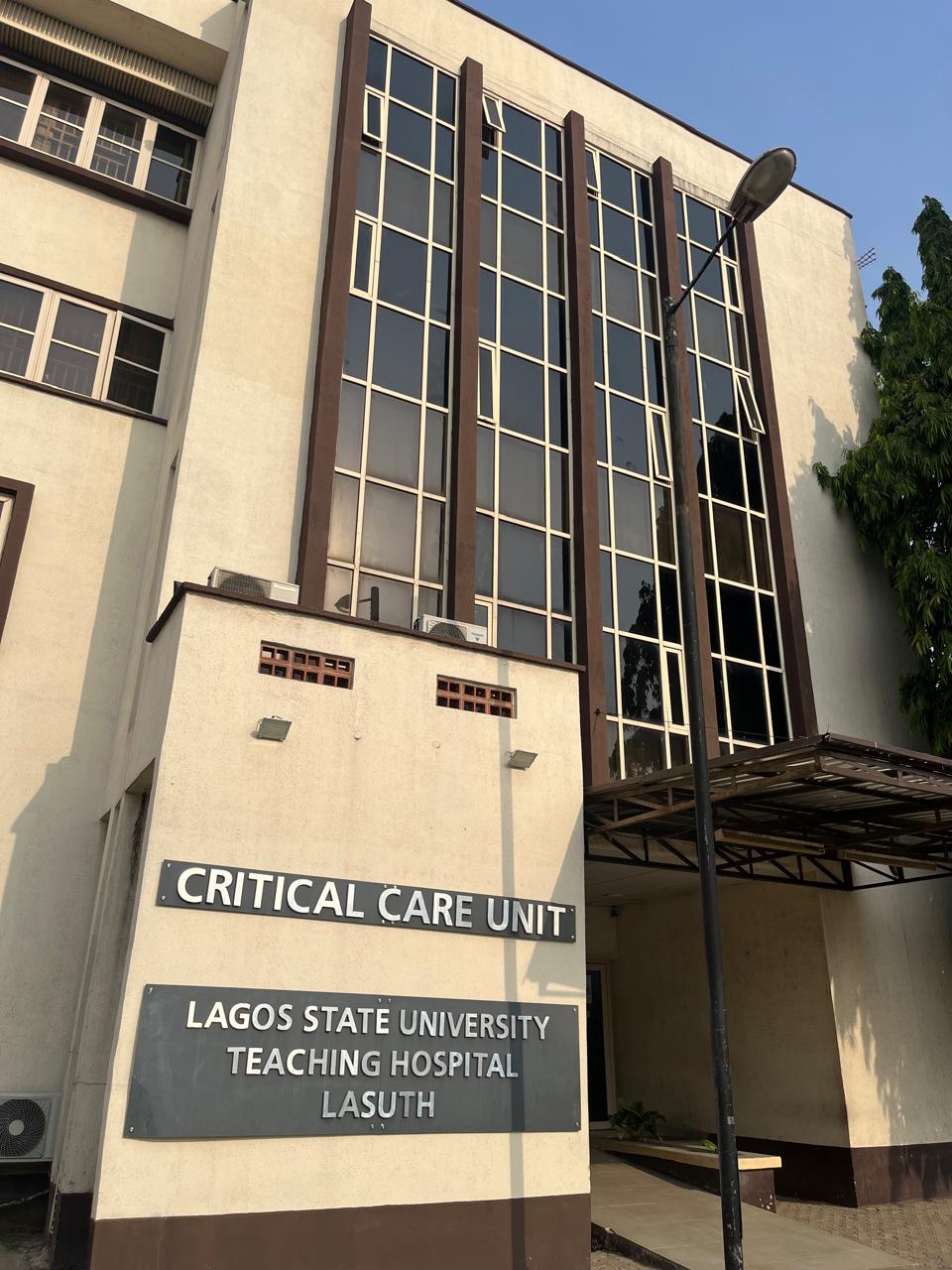
Lasuth, Nigeria
CardioStart International Mission Report
Cardiac Surgery Camp at LASUTH, Lagos
Scouting Visit to UBTH, Benin City
December, 2025
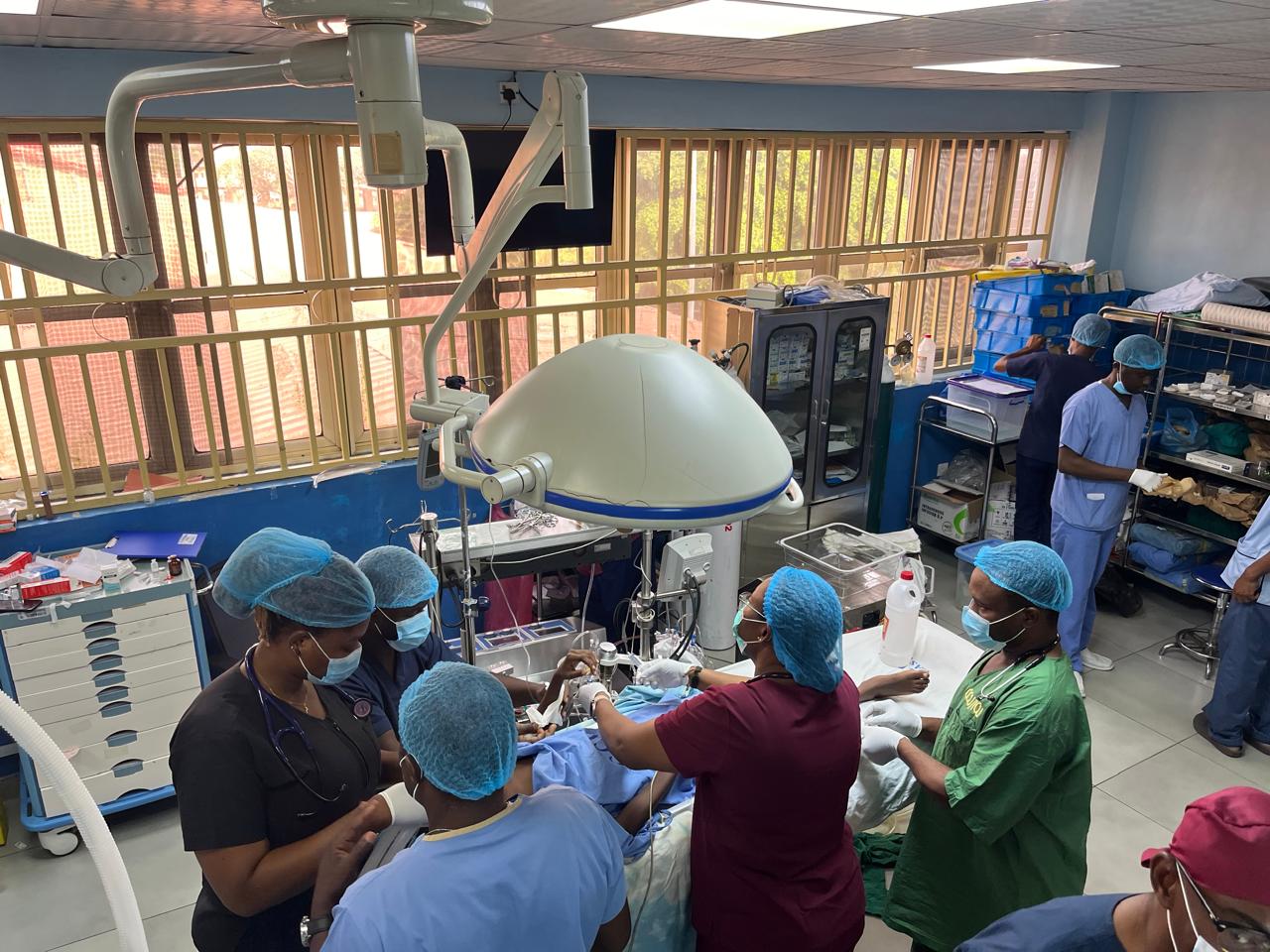
On December 13th, 2025, CardioStart International conducted a mission to Lagos State University Teaching Hospital (LASUTH), in continued support of the development of its cardiovascular program. Volunteers from the United States, Ghana and Brazil collaborated with local teams to provide clinicalcare, education, and skill transfer in Nigeria, the most populous country in Africa. During this mission, seven cardiac interventions were successfully performed, alongside ongoing multidisciplinary training and capacity-building activities.
Several weeks prior to the mission, Dr. Bode Falase, Head of Cardiac Surgery, in collaboration with the multidisciplinary LASUTH team, initiated the patient pre-selection process. Upon arrival, all candidates were reassessed, and the OR schedule for the week was finalized based on case severity, availability of required materials, and blood supply. Education remains a cornerstone of every CardioStart mission. At LASUTH, which hosts a growing cohort of medical students, residents, and trainees, surgical case selection was guided by both feasibility and educational objectives. Emphasis was placed on enhancing the learning curve of local surgeons and providing structured knowledge transfer to newly enrolled cardiothoracic surgery residents, while ensuring patient safety at all times.
Several weeks prior to the mission, Dr. Bode Falase, Head of Cardiac Surgery, in collaboration with the multidisciplinary LASUTH team, initiated the patient pre-selection process. Upon arrival, all candidates were reassessed, and the OR schedule for the week was finalized based on case severity, availability of required materials, and blood supply. Education remains a cornerstone of every CardioStart mission. At LASUTH, which hosts a growing cohort of medical students, residents, and trainees, surgical case selection was guided by both feasibility and educational objectives. Emphasis was placed on enhancing the learning curve of local surgeons and providing structured knowledge transfer to newly enrolled cardiothoracic surgery residents, while ensuring patient safety at all times.
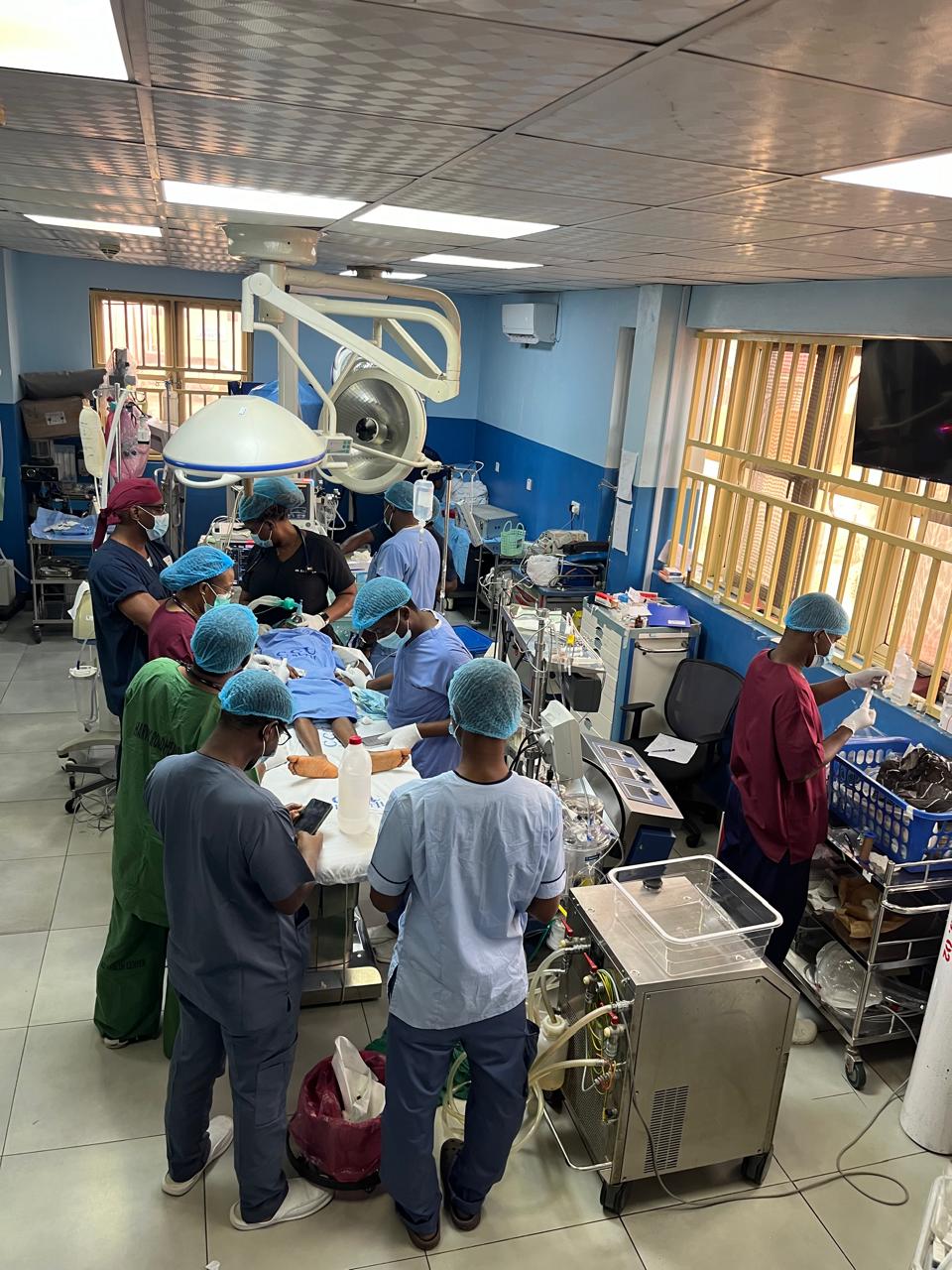
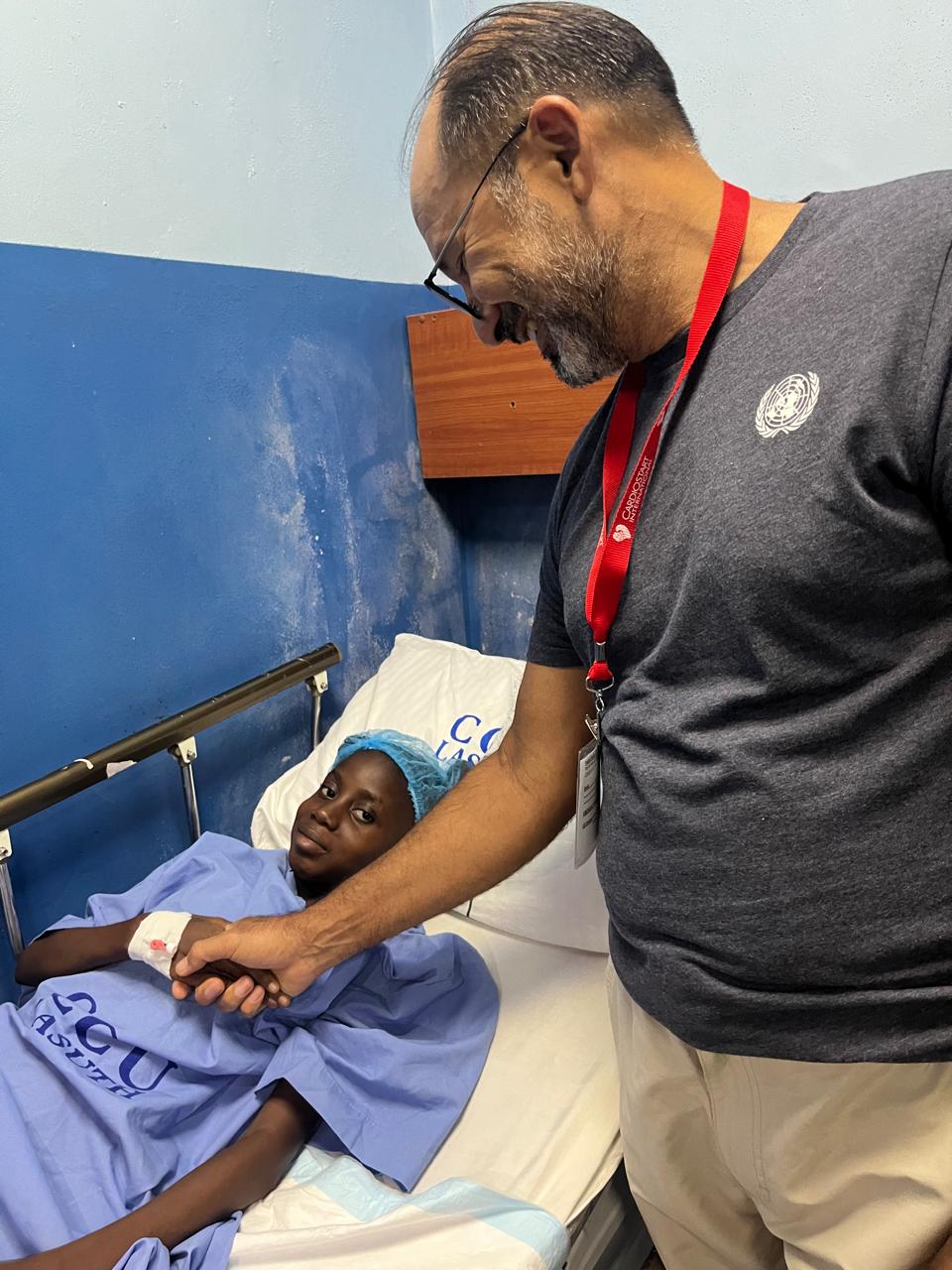

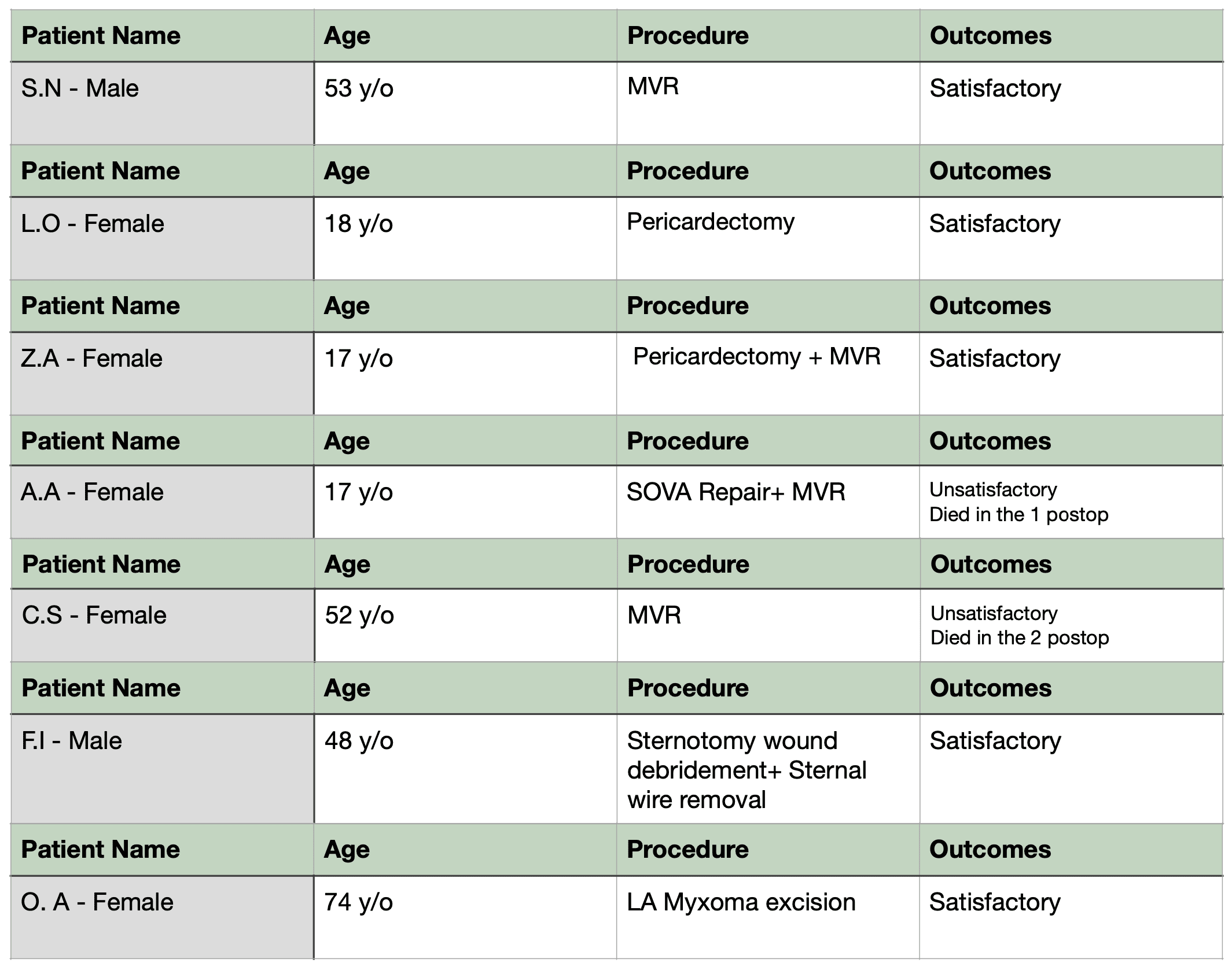
The spectrum of procedures performed reflected this educational and clinical balance. Cases ranged from lower-complexity interventions, such as atrial myxoma resection, to more complex surgeries, including coronary sinus aneurysm associated with ventricular dysfunction, constrictive pericarditis, and redo cardiac procedures. This variety facilitated broad operative exposure and strengthened multidisciplinary collaboration. The camp started with two surgeries on Saturday, followed by operative sessions on Monday, Tuesday, Wednesday, and Friday. Due to logistical constraints—including an unexpected shortage of blood and the critical condition of patients in the ICU—Thursday was designated for administrative and organizational activities rather than surgical procedures. In addition to clinical care, substantial material support was delivered to LASUTH. Donations included cardiac prostheses, cannulas, sutures, connectors, bovine pericardium patches, patient monitors, and infusion pumps. A portable echocardiography machine was also provided, enabling intraoperative transesophageal echocardiography and significantly enhancing perioperative cardiac care. Despite careful planning, some patients were unable to present from their home cities, necessitating adjustments to the surgical schedule. Nevertheless, the mission successfully achieved its clinical and educational objectives. During the mission in Lasuth, two patients, identified as A.A and C.S, experienced postoperative outcomes that were considered unsatisfactory. Patient A.A was a highly complex case, requiring an extended cardiopulmonary bypass time due to the technical demands of the surgical procedure. An adverse outcome was identified on the first postoperative day. Patient C.S, despite initial postoperative management, unfortunately died on the second postoperative day. In view of these events, and in alignment with the program’s commitment to continuous quality improvement and patient safety, a Phase of Care Mortality Analysis was conducted on Friday evening. This structured review involved the entire multidisciplinary team and aimed to systematically evaluate each phase of care, identify potential vulnerabilities or gaps in clinical processes, and define opportunities for improvement to enhance outcomes in future missions.
Strategic Engagements and Institutional Collaboration
As part of long-term capacity-building efforts, a subset of the team visited the University of Benin Teaching Hospital (UBTH) in Benin City for a scouting visit on December 15th. This assessment explored the hospital’s potential as a future site for skills transfer and surgical training. During the visit, in-depth discussions were held with the local Rotary team, laying the groundwork for a potential partnership to support sustainable cardiovascular care initiatives. Concurrently, meetings with LASUTH administrative leadership in Lagos reaffirmed institutional commitment and strengthened collaborative ties, ensuring ongoing support for program development.
Significant progress in all aspects of the cardiovascular program was evident compared to previous missions, largely attributable to the dedication and work ethic of LASUTH clinicians and staff. The commitment of the OR, anesthesia, ICU, cardiology, and nursing teams toward establishing an independent, sustainable cardiac center was apparent. Continued support from the LASUTH administration and Lagos State Government will be essential to provide equitable access to cardiovascular care in this underserved region.
Surgeons: Emily Farkas, Vinicius Nina, Bode FalasePerfusionists: Ayomide Anuloluwapo Olaiya, Idowu Ariyo Lookman
Significant progress in all aspects of the cardiovascular program was evident compared to previous missions, largely attributable to the dedication and work ethic of LASUTH clinicians and staff. The commitment of the OR, anesthesia, ICU, cardiology, and nursing teams toward establishing an independent, sustainable cardiac center was apparent. Continued support from the LASUTH administration and Lagos State Government will be essential to provide equitable access to cardiovascular care in this underserved region.
Surgeons: Emily Farkas, Vinicius Nina, Bode Falase
Perfusionists: Ayomide Anuloluwapo Olaiya, Idowu Ariyo Lookman
Bioengineer: Amos Dantene
Mission Coordinator: Melina Barg
Acknowledgments:
*Medtronic for donation prosthetic heart valves
*Edwards Lifesciences Foundation for donation of biologic heart valves, rings and cannulas and funding for the mission.
*Braille for donation of perfusion connectors, pericardium patches and arterial extensions